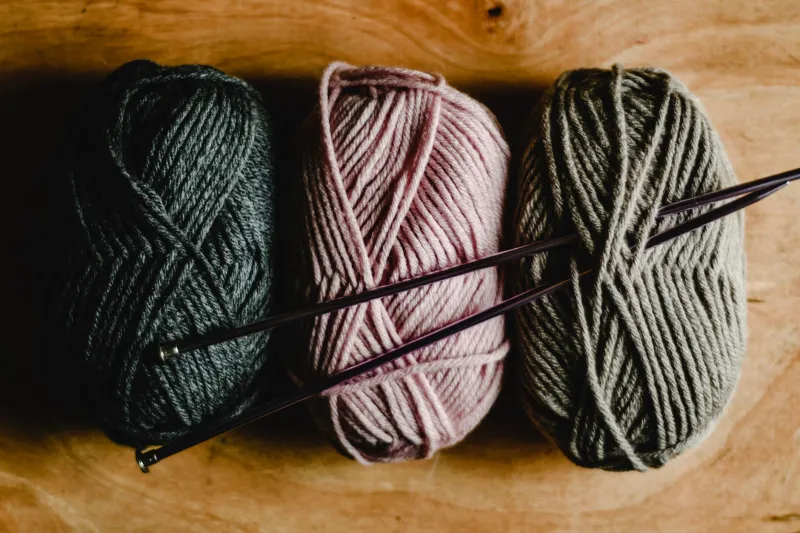
Make It Together: Collaborative Craft Projects That Actually Bring People Closer
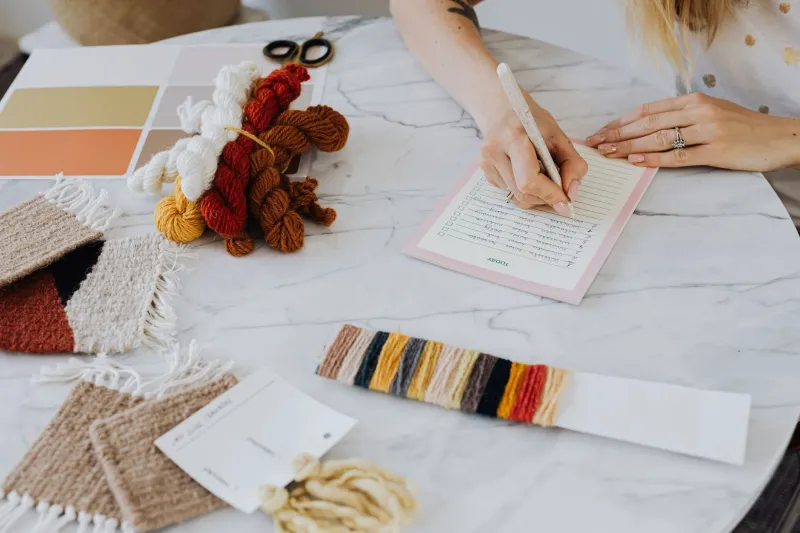
There's something uniquely satisfying about finishing a project and being able to say we made that. Not "I made this while you watched TV nearby," but genuinely, equally, both-of-us-contributed made it. The problem is that most craft projects aren't built for two. They're designed for one set of hands, one vision, one person who controls the scissors.
But collaborative making is having a real moment right now. Couples, best friends, parents and adult kids, roommates—people are pulling up two chairs instead of one and figuring out how to share the creative process. Done right, it's one of the most connective things you can do on a slow weekend. Done wrong, it ends in a passive-aggressive argument about tension gauge.
This guide is here to help you do it right. These projects are specifically designed so two people can contribute meaningfully, build something neither could've made alone, and—most importantly—still like each other when it's done.
Why Collaborative Crafting Hits Different
Shared creativity isn't just fun. It requires you to communicate, compromise, and pay attention to another person in a way that scrolling through Netflix together simply doesn't. When you're splitting a tapestry loom or co-designing a crochet blanket, you're constantly negotiating—color choices, pacing, who handles which section. That low-stakes negotiation builds real relational muscle.
Research on shared activities consistently shows that doing something new together creates stronger bonds than passive shared experiences. Crafting checks that box hard. It's tactile, it's creative, and it produces something tangible that lives in your home as a reminder of the time you made it.
Now, the projects.
1. The Two-Panel Tapestry
Best for: Partners or best friends with different aesthetic sensibilities
Frame loom weaving is approachable for beginners and endlessly flexible for experienced crafters. For a collaborative piece, each person takes one panel of the same overall size and weaves their own section using a shared color palette you agree on beforehand. When both panels are finished, they're mounted side by side or sewn together to create a diptych wall hanging.
The magic here is that the piece shows two distinct styles unified by color. You can clearly see where one person's work ends and the other's begins—and that's the whole point. It's a visual record of two different people making something that only works as a whole.
What you'll need: Two matching frame looms, a shared bundle of complementary yarn colors, tapestry needles, and a mounting rod or dowel.
2. The Granny Square Swap Blanket
Best for: Anyone at roughly similar skill levels in crochet
This one is a classic for a reason. Each person crochets their own set of granny squares—same size, same yarn weight, but potentially different color combinations within the agreed palette. Then you swap half your squares with each other and join them all together into one finished blanket.
The joining process itself becomes a shared activity. Lay all the squares out on the floor, arrange them together, argue cheerfully about placement, and stitch them up. The finished blanket will have a beautiful patchwork quality that genuinely reflects both makers. Bonus: this project scales perfectly for groups, making it ideal for family reunions or friend weekends away.
Pro tip: Use Red Heart Super Saver yarn in coordinating colorways so the squares read as cohesive even when the color combinations differ.
3. The Joint Embroidery Canvas
Best for: Couples or friends who want a keepsake piece
Start with a large embroidery hoop—think 12 inches or bigger—and a piece of fabric you've both agreed on. Sketch out a loose design together: maybe a landscape, a botanical arrangement, or an abstract pattern. Then divide the sections. One person handles the sky, the other the ground. One person fills in the flowers, the other stitches the stems and leaves.
What makes this work is that you're literally building the same image from different directions. You have to keep checking in with each other to make sure the piece is cohesive. It requires conversation. It requires looking at what the other person is doing and responding to it. That's the whole relationship in miniature, honestly.
What you'll need: A large embroidery hoop, cotton or linen fabric, embroidery floss in a shared color story, and transfer paper for the design sketch.
4. The Intarsia Color-Block Knit Throw
Best for: Two people who both knit and want a real challenge
Intarsia knitting—where you work distinct blocks of color into a single piece—is a technique that lends itself beautifully to collaboration. Plan out a color-block design together, divide the color sections between you, and knit your assigned sections simultaneously using separate yarn bobbins. You'll need to coordinate on row counts and hand the work back and forth at certain points, which means you're genuinely working with each other, not just next to each other.
This is a more advanced project and it will test your patience. But the finished throw will be something neither of you could've produced the same way solo. Frame it as a skill-building challenge and celebrate the small wins along the way.
5. The Friendship Macramé Wall Piece
Best for: Friends, siblings, or parent-child pairs
Macramé is one of the most forgiving fiber arts for beginners, and a large wall hanging made for two is a genuinely fun afternoon project. Split the hanging into two vertical sections—left side and right side—and assign each person their half. Choose a shared knot vocabulary (square knots, half hitches, lark's head knots) and let each person interpret the design within those shared constraints.
The center of the piece, where your two sections meet, becomes the most interesting part. How do you transition? Do the sections mirror each other or diverge? That conversation is part of the making.
What you'll need: A dowel or driftwood piece, macramé cord in coordinating natural or dyed colors, scissors (yes, your own pair each—learn from experience), and a tape measure.
6. The Knit-Crochet Hybrid Scarf
Best for: Mixed-skill couples where one person knits and the other crochets
This one is clever because it plays to different skill sets. One person knits panels or strips, the other crochets panels or strips, and you alternate them throughout the scarf. The different textures create a beautiful contrast, and the finished piece is a literal record of two different crafting styles coexisting.
You'll need to coordinate on yarn weight and stitch gauge to make sure the sections are roughly the same width, which means actually talking through the technical details together. That problem-solving is half the fun.
A Few Ground Rules Before You Start
Collaborative crafting works best with a little upfront planning. Before you cast on or thread a needle, agree on the color palette, the overall size of the finished piece, and who's responsible for which sections. Keep the logistics simple so the creative energy goes into making, not managing disagreements about process.
Also: yes, each person should have their own scissors. This is non-negotiable.
Most importantly, give yourself permission to let the finished piece be imperfect. Slight variations in tension, small inconsistencies in stitch size—those aren't flaws. They're evidence of two different people showing up, doing their best, and making something together. That's the whole point.
Now go make something.