Your Craft Space, Reimagined: How to Build a Creative Corner That Pulls You In Every Time
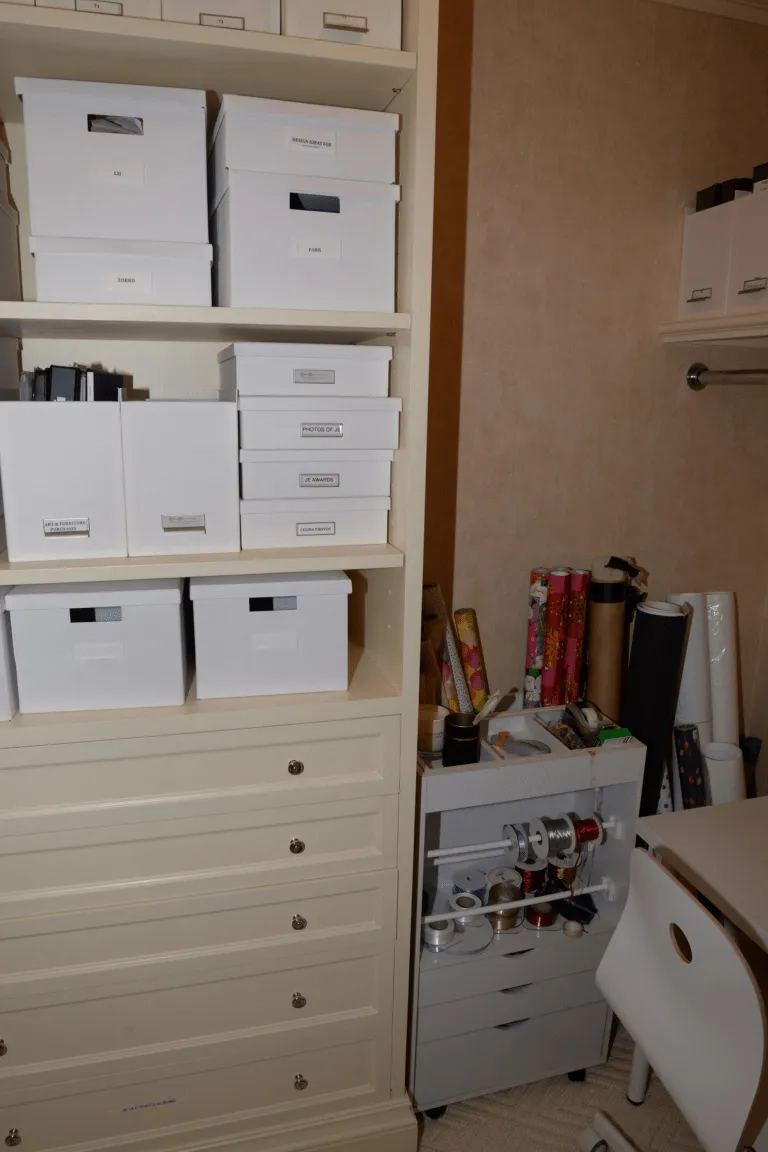
Photo: Federal Bureau of Investigation, Public domain, via Wikimedia Commons
Here's a question worth sitting with: when you walk past your craft area, do you feel a little spark — or a little dread?
For a lot of makers, it's the second one. The yarn is tangled with the scissors. The good lighting is in the other room. Half-finished projects are stacked on top of supplies you forgot you owned. And somehow, every time you mean to sit down and create, something else wins.
The thing is, your space is doing something to your brain whether you realize it or not. Clutter signals chaos. Poor lighting makes detailed work feel like a chore. A room that doesn't feel like yours doesn't invite you in. But flip those things around — even on a budget — and the whole energy shifts. Suddenly you're sneaking in twenty minutes before dinner because the space actually feels good to be in.
This isn't about having a Pinterest-perfect studio. It's about designing something that works for you, whatever that looks like.
Start With the Light (Seriously, Start Here)
If there's one upgrade that will change your crafting life more than anything else, it's lighting. Natural light is ideal — it shows yarn colors accurately, reduces eye strain, and just feels better. If you can position your main work surface near a window, do it.
But most of us are crafting in the evenings or in rooms without great natural light. That's where layering comes in. Overhead lighting alone creates shadows and flat visibility. Instead, combine it with a dedicated task lamp positioned at your dominant hand side so it illuminates your work without casting your own shadow across it. Look for bulbs in the 4000–5000K range (labeled "cool white" or "daylight") — they mimic natural light and make it much easier to distinguish between that navy and that dark teal you keep mixing up.
Floor lamps work great in corners to fill a room with ambient warmth, while clip-on or desk lamps handle the detail work. Budget-wise, you don't need anything fancy — a $25 LED task lamp from any big box store will do the job.
Storage That Actually Helps You Create
The goal of craft storage isn't just to hide the mess. It's to make your supplies accessible — visible enough that you remember what you have, organized enough that you can grab what you need without digging.
A few approaches that real makers swear by:
Clear containers are your best friend. When you can see your yarn, thread, or fabric at a glance, you're more likely to reach for it. Stackable clear bins, glass jars for buttons and notions, and open shelving all keep supplies in sight without turning into a wall of visual noise.
Sort by how you actually work, not by category. Some crafters organize by color. Others by project type or material. Neither is wrong — but organizing by some abstract system that doesn't match how your brain works means you'll never maintain it. Ask yourself: when I sit down to start something, what do I reach for first? Build your storage around that workflow.
Use vertical space. Wall-mounted pegboards are having a real moment in craft rooms, and for good reason. They're cheap (a basic pegboard kit runs under $30 at most hardware stores), endlessly customizable, and they get your most-used tools off the surface and into eyeline. Hooks, shelves, and bins can all attach directly, and you can rearrange as your needs change.
Dedicate a "current projects" zone. One of the fastest ways to feel overwhelmed is having five in-progress projects scattered across your space. A single basket, tray, or section of shelving just for whatever you're actively working on keeps things contained and makes it easier to pick back up where you left off.
Making It Feel Like Your Space
Function matters, but so does atmosphere. A craft space that feels inspiring is one you'll actually want to spend time in — and that's not frivolous, it's strategic.
You don't need to redecorate from scratch. Small, intentional touches go a long way:
- Color on the walls or a single accent wall can shift the mood dramatically. Soft, muted tones tend to feel calming; bolder shades can feel energizing. Think about what kind of creative state you want to be in when you're there.
- A few pieces of art or inspiration — whether that's a framed print, a mood board, or even just pages torn from a magazine and pinned up — give you something visually interesting to rest your eyes on.
- A small plant or two adds life to a space without much maintenance. Studies consistently show that greenery in a room improves mood and focus, and you can grab a pothos or snake plant for under $10 at most garden centers.
- A dedicated playlist or ambient sound isn't a design element, but it is an environmental one. Some crafters swear by lo-fi music, others by podcasts or audiobooks. Having a go-to soundtrack you only play while crafting can actually train your brain to slip into a creative mindset faster.
Working With Small Spaces
Not everyone has a spare room to dedicate to crafting, and that's completely fine. Some of the most functional setups exist in the corner of a bedroom, on one end of a dining table, or inside a repurposed closet.
If space is tight, the key is containment. A rolling cart (the IKEA RÅSKOG has become something of a craft world icon for good reason) lets you wheel your supplies to wherever you're working and tuck them away when you're done. A dedicated craft tote or basket works the same way — everything lives together, moves together, and gets put away together.
The "cloffice" trend — converting a closet into a mini office or studio — translates beautifully to craft spaces. Remove the doors, add a shelf across the middle as a work surface, hang pegboard above it, and you've got a surprisingly complete setup that folds neatly out of sight when you need the room back.
The Before-and-After Effect
Makers who've intentionally redesigned their craft spaces consistently say the same thing: they create more. Not because they suddenly have more time, but because the friction is gone. The space invites them in instead of pushing them away.
One crocheter in a Facebook group recently described spending a weekend reorganizing her yarn stash into a color-sorted open shelving unit and adding a single good task lamp. Her words: "I've sat down to crochet every single night this week. I don't even know who I am."
That's the goal. Not a showroom. Not a magazine spread. Just a space that makes you feel like yourself — and makes you want to pick up your hook or your needles and make something.
Start small if you need to. Fix the light first. Clear one surface. Put your current project somewhere you can see it. The rest can follow.
Your creative space should work as hard as you do.