From Hobby Room to Side Hustle: How Crafters Are Turning Yarn Into a Living
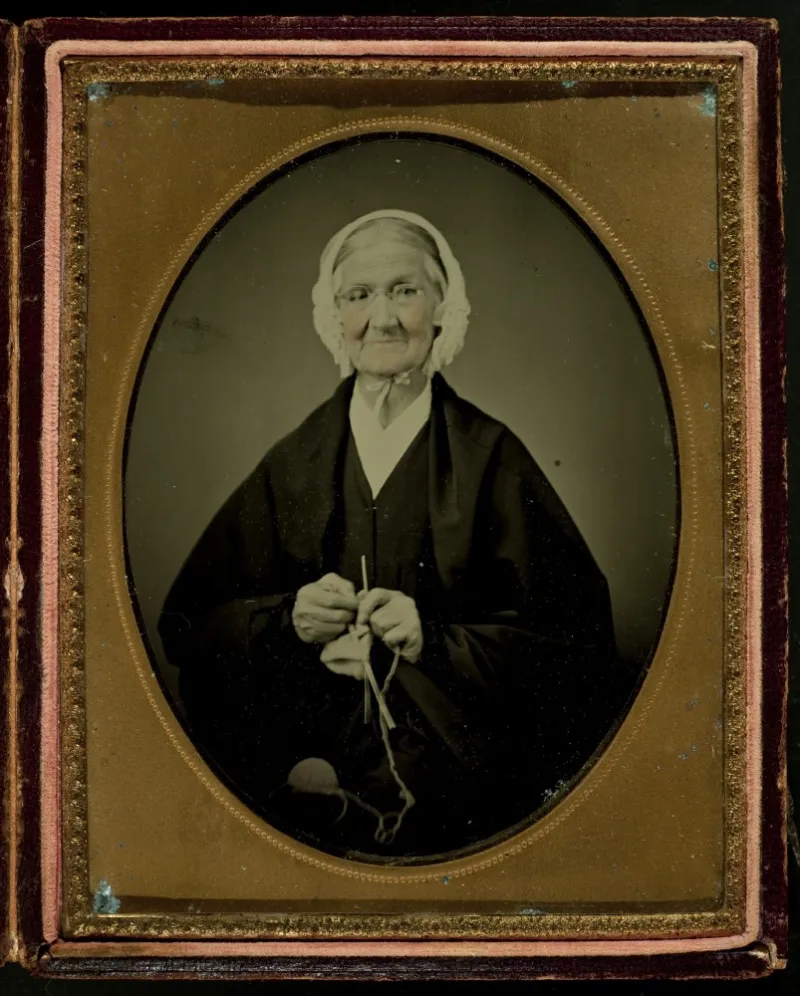
Photo: George Eastman House, No restrictions, via Wikimedia Commons
There's a particular kind of magic that happens when someone buys something you made with your own two hands. Ask anyone who's ever shipped their first Etsy order — the notification sound alone is enough to make you tear up a little. But turning that spark into a sustainable income? That's where things get real.
The good news: it's absolutely doable. Crafters across the country are building thriving micro-businesses out of their living rooms, spare bedrooms, and kitchen tables — armed with nothing more than a hook, some quality yarn, and a whole lot of hustle. Whether you're dreaming of a full-time fiber arts business or just a side hustle that covers your craft supply habit, here's what the makers who've done it say actually works.
Start With What You Already Love Making
The biggest mistake new craft sellers make? Pivoting toward what they think will sell rather than doubling down on what they genuinely enjoy creating. Burnout is real, and it hits fast when you're churning out items that don't excite you.
Take a hard look at your current projects. Are you the person who's always got a crochet market bag on the needles? Do your friends constantly beg you for your knitted beanies? That's your market research, right there. Your existing enthusiasm is a competitive advantage — customers can feel it in the finished product and in the way you talk about your work.
Once you've identified your niche, go deep rather than wide. A seller who specializes in hand-dyed chunky knit throw blankets will almost always outperform one who sells a little of everything. Specificity builds trust and makes your shop easier to discover.
Pricing: Stop Undercharging Yourself
Let's have the uncomfortable conversation: most crafters price too low. Way too low. It's understandable — it feels awkward to charge "real" money for something that started as a hobby. But underpricing doesn't just hurt your bottom line, it devalues handmade work for the entire maker community.
A solid starting formula: add up your material costs, then multiply your hourly labor by however many hours the piece took, then add a percentage for overhead (shipping supplies, platform fees, electricity, etc.). That number might surprise you. A hand-crocheted sweater made with quality yarn and ten hours of labor isn't a $45 item — it's a $150+ item, and the right customer absolutely exists for it.
If your pricing feels scary, that's often a sign you haven't found your audience yet — not that your work isn't worth it. Lean into the story behind your pieces. Handmade has value precisely because it isn't mass-produced.
Photography That Actually Sells
Your product is only as appealing as the photo someone sees on their phone screen at 11 p.m. Natural lighting is your best friend — position your items near a large window during the day and skip the flash entirely. A simple linen or wood-grain background keeps the focus on your work without distracting from it.
Lifestyle shots move product. A cozy knit blanket draped over a reading chair next to a steaming mug tells a story. A beanie on a wooden hat stand is fine; a beanie on an actual person laughing in a coffee shop is a conversion machine. Don't be afraid to style your shots or recruit a friend to model.
You don't need expensive gear. A recent iPhone or Android, good window light, and a free editing app like Lightroom Mobile will get you 90% of the way there.
Think Beyond the Single Item: Patterns and Subscriptions
Physical goods are wonderful, but they come with real limits — your time, your hands, your shipping budget. Many successful fiber artists have found that selling knowledge scales far better than selling objects.
Digital patterns are a game-changer. You design something once, write up the instructions, upload a PDF to Etsy or Ravelry, and collect sales while you sleep. If you already have a distinctive style or a clever construction method, your community will pay to learn it.
Subscription boxes are another avenue worth exploring. Curated kits that include yarn, a pattern, and a few notions have a built-in recurring revenue model that makes financial planning a lot less stressful. Start small — a waitlist of even twenty subscribers is enough to validate the concept before you invest heavily.
Time Management: Protecting the Joy
Here's the part nobody talks about enough: scaling a craft business can quietly suck the fun out of crafting if you're not intentional about it. When your creative outlet becomes your to-do list, you need to build in space that's just for making — no orders, no deadlines, no content creation. Just you and your yarn.
Batch your business tasks. Answer messages on Tuesday and Thursday. Photograph new inventory on Sunday mornings. Ship on Mondays and Fridays. When you're not in "business mode," give yourself permission to just make things for the love of it. That's what fills the creative well that your business draws from.
Start slow, stay sustainable, and remember: the goal isn't to replicate fast fashion with handmade speed. The goal is to build something that still feels like yours, even when it's also a business.