What's Actually Worth Buying in Yarn Right Now (And What You Can Skip)
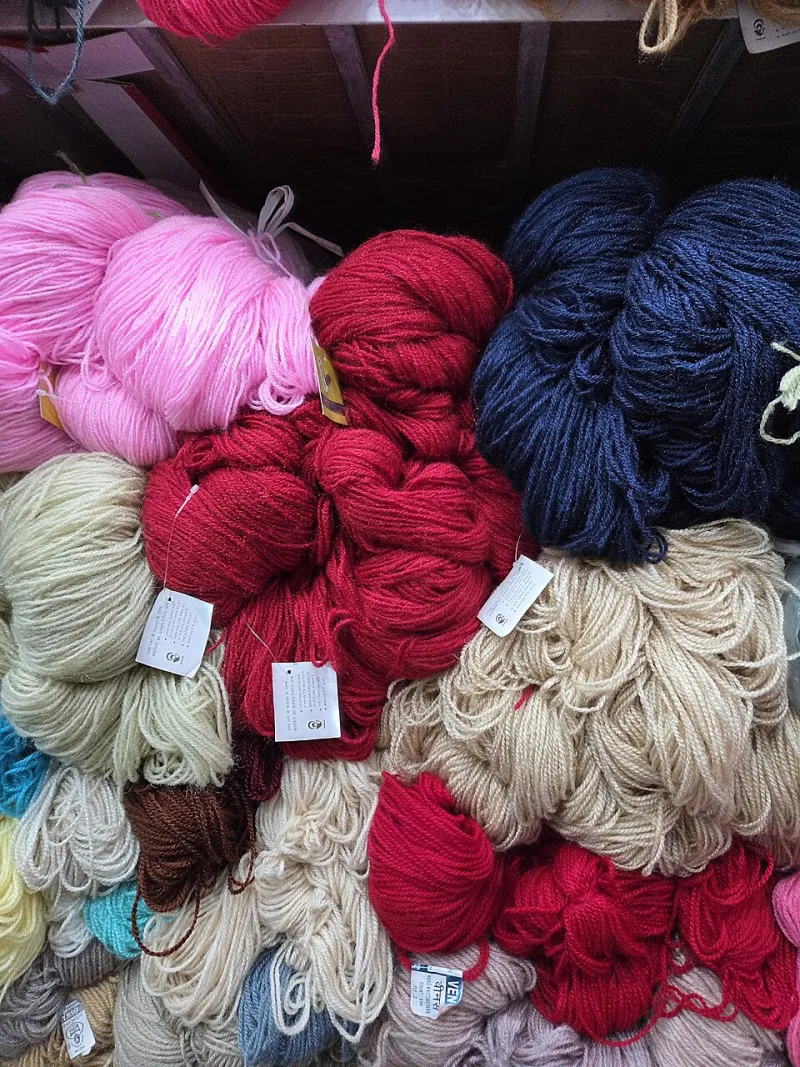
Photo: Gannu03, CC BY-SA 4.0, via Wikimedia Commons
Every year, the yarn world gets a fresh wave of new fiber types, color trends, and material innovations—and every year, it becomes a little harder to tell what's genuinely worth your money versus what's just riding a social media wave. If you've ever impulse-bought a skein because it looked incredible in a reel and then struggled to actually work with it, you know exactly what we're talking about.
So let's get honest. Here's a real look at what's making waves in the yarn world right now, what actually delivers, and where you can confidently hold onto your wallet.
The Fiber Innovations That Are Actually Delivering
Plant-Based Blends Are Having a Genuine Moment
Cotton and linen have been around forever, but the newer generation of plant-based yarns—think bamboo blends, hemp-cotton mixes, and Tencel-infused options—are genuinely improved compared to where they were five years ago. They're softer, easier to work with, and hold up better after washing.
For warmer-weather projects like market bags, lightweight tops, and dishcloths, these blends are absolutely worth exploring. They're not just a trend—they solve a real problem, which is that wool-heavy yarns are simply too warm for a lot of US climates for most of the year.
Worth it for: Beginners working on their first wearables, anyone in the South or Southwest who finds wool impractical, dishcloth and kitchen project enthusiasts.
Skip it if: You're primarily a cold-weather knitter or crocheter making blankets and scarves. Wool still wins for warmth and elasticity.
Recycled and Reclaimed Fiber Blends
Yarns made from recycled cotton or reclaimed fiber content have improved dramatically in quality and are now genuinely competitive with virgin fiber options at similar price points. Brands are doing a better job of processing these materials so they don't feel scratchy or inconsistent.
This is one trend where the values behind the product and the actual product quality are aligned—which isn't always the case in the "sustainable" space. If eco-conscious purchasing matters to you, this is one of the more credible places to put your money.
Worth it for: Amigurumi, home décor projects, accessories. Also a great gateway for introducing kids to crafting without spending a lot.
Texture Trends: The Good, the Gimmicky, and the Genuinely Fun
Boucle Is Back (and It's Still Tricky)
Boucle yarn—that loopy, textured fiber that creates a fluffy, almost plush finished fabric—is absolutely everywhere right now. And the finished projects do look stunning. Boucle cardigans and bags are all over every crafting platform, and for good reason. The aesthetic is genuinely beautiful.
But here's the honest truth: boucle is notoriously difficult to work with, especially for beginners. The loops catch on your hook or needles, counting stitches is nearly impossible, and frogging (unraveling to fix mistakes) is a nightmare. If you're newer to the craft, buying an expensive boucle skein because you loved someone's finished cardigan is a fast track to frustration.
Worth it for: Intermediate to advanced makers who are comfortable working by feel and don't need to see every stitch. Simple projects like scarves, cowls, and tote bags where stitch definition doesn't matter.
Skip it if: You're a beginner, you're working on anything with complex stitch patterns, or you're easily discouraged by yarn that fights back.
Jumbo and Chunky Weights: Still Solid, Not Magical
Super-bulky and jumbo weight yarns continue to be popular, mostly because they work up fast. That's real and valid—there's genuine satisfaction in finishing a blanket in a weekend. But the marketing around these yarns sometimes oversells the idea that chunky automatically means cozy or premium.
The truth is that a lot of jumbo-weight yarns are loosely spun and pill quickly, especially cheaper options. If you're investing in chunky yarn, look for tightly twisted construction and fiber content that holds up. Arm-knitting with jumbo yarn makes for great content but often produces blankets that fall apart within a season.
Worth it for: Quick gifts, first projects for new crafters, decorative items that won't see heavy use.
Skip it if: You want something that lasts. For heirloom-quality projects, a medium-weight yarn in a quality fiber is almost always a better investment.
Color Trends: What's Hot in 2025
On the aesthetic side, a few clear directions are defining the color landscape this year.
Earthy, muted tones continue to dominate—terracotta, dusty sage, warm sand, and clay shades are everywhere, and they're genuinely versatile. These colors work across project types, photograph beautifully, and don't go out of style quickly. This is a safe investment.
Variegated and self-striping yarns are having a resurgence, particularly in cottagecore and vintage-inspired aesthetics. These are fun and genuinely useful for adding visual interest to simple stitch patterns without extra effort. Just know that variegated yarns can pool unexpectedly depending on your stitch count and project width—it's worth swatching before committing to a large project.
Neon and high-contrast colorwork is trending in certain corners of the craft community, particularly among younger makers. It's bold and expressive, but it's also a more niche aesthetic. Unless it genuinely reflects your style, this is one to admire from a distance rather than stock up on.
The "Luxury Fiber" Question
Qiviut, cashmere, yak, and other high-end natural fibers are always circulating in aspirational crafting content. And yes, they're genuinely beautiful to work with. But are they worth the price for most projects?
Honestly? It depends on what you're making and how often you'll use it. A cashmere-blend accessory that you wear constantly is a reasonable investment. Buying a $40 skein of qiviut for a practice project or a gift you're not sure the recipient will appreciate? Probably not the move.
For most crafters, a quality merino wool or merino blend sits in the sweet spot—soft enough for next-to-skin wear, durable enough for regular use, and priced accessibly enough that you're not terrified to cut it when something goes wrong.
The Bottom Line: Buy for Your Actual Projects
The most common yarn-buying mistake isn't spending too much—it's buying for the trend rather than the project. A beautiful fiber that doesn't suit your skill level or your intended use will sit in your stash and quietly make you feel guilty.
Before adding anything to your cart, ask yourself three questions: What am I actually going to make with this? Does this fiber suit that project's needs? Do I have the skill level to enjoy working with it right now?
If you can answer all three confidently, go ahead and treat yourself. The yarn world in 2025 has some genuinely exciting things to offer—you just have to know where to look.