Build Your Craft Brand on the Side: A No-Fluff Roadmap for Working Makers
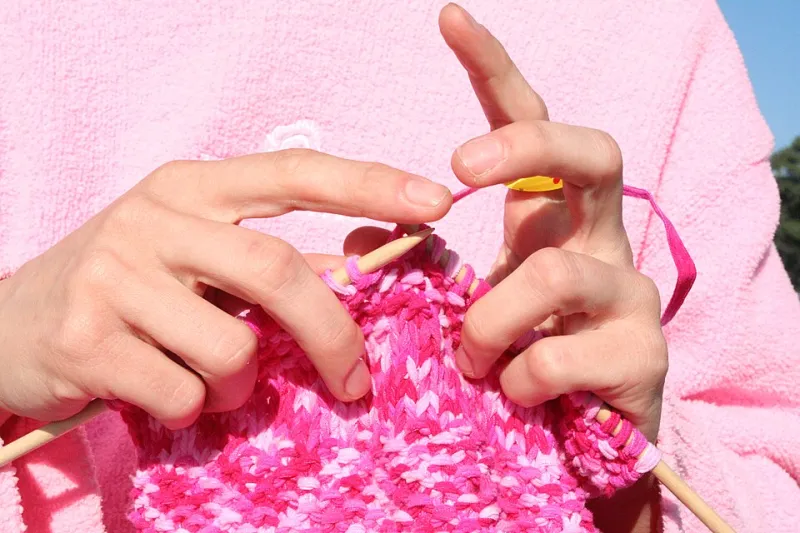
Photo: Johntex, CC BY 2.5, via Wikimedia Commons
Let's be real for a second. The fantasy version of going full-time with your craft business looks like a sun-drenched studio, a perfectly curated Instagram feed, and orders rolling in while you sip coffee. The actual version—at least in the beginning—looks a lot more like answering customer messages during your lunch break and photographing finished pieces on your kitchen table at 9 p.m. on a Tuesday.
That doesn't mean it's not worth doing. It just means going in with your eyes open is the single best thing you can do for yourself.
The good news? A lot of crafters are building genuinely sustainable small businesses without ever quitting their day jobs—at least not right away. Here's what that actually looks like.
Realistic Timelines: Slow Is Not the Same as Stuck
One of the biggest misconceptions new maker-entrepreneurs carry is that if things aren't taking off within a few months, something is wrong. In reality, most successful handmade businesses take one to three years to find consistent footing. That's not pessimism—that's just the math of building an audience, refining your product line, and learning what your customers actually want versus what you assumed they'd want.
A rough timeline most crafters experience looks something like this:
- Months 1–3: Setting up your shop, photographing products, writing listings, figuring out pricing. Revenue is minimal or zero. This is normal.
- Months 4–9: First consistent sales, early customer feedback, starting to understand which items move and which sit. You're learning more than you're earning.
- Year 1–2: Building repeat buyers, refining your niche, potentially expanding to craft fairs or markets. Revenue starts to feel real, but probably won't replace income yet.
- Year 2–3+: If you've been consistent and strategic, this is where things can genuinely shift. Some makers hit this point and decide to go full-time. Others decide they love the balance of keeping their day job. Both are completely valid.
The point is: don't measure your progress against someone else's highlight reel.
Startup Costs: What You Actually Need to Spend
One of the beautiful things about a yarn-based craft business is that your startup costs can be pretty modest—especially compared to product-based businesses that require manufacturing or large inventory investments.
Here's a general breakdown of what you're realistically looking at:
- Materials: Budget $100–$300 to build out your initial inventory. Focus on a tight, cohesive product line rather than trying to offer everything at once.
- Photography: A decent smartphone camera and a $30–$50 lightbox setup can genuinely work in the beginning. Natural light near a window is free.
- Platform fees: Etsy charges a $0.20 listing fee per item plus transaction fees. If you go independent with something like Shopify, expect around $39/month to start.
- Packaging and branding: Tissue paper, stickers, and simple thank-you cards can be sourced for under $50 and go a long way toward making your brand feel intentional.
- Business registration: Depending on your state, registering as a sole proprietor or LLC can run anywhere from free to a couple hundred dollars. Check your state's specific requirements.
All in, you can realistically launch for under $500 if you're thoughtful about it.
Etsy vs. Your Own Site: The Honest Breakdown
This debate comes up constantly in crafting communities, and the answer isn't one-size-fits-all.
Etsy gives you built-in traffic from people who are already looking to buy handmade goods. That's genuinely valuable when you're starting out and have no audience of your own. The tradeoff is that you're competing in a crowded marketplace, you're subject to Etsy's fee structure and policy changes, and you don't fully own the customer relationship.
An independent site (Shopify, Squarespace, or even a simple WooCommerce setup) gives you full control over your brand, your customer data, and your margins. But you're responsible for driving all your own traffic, which takes time and usually some investment in social media or email marketing.
The practical answer for most new makers: start on Etsy to validate your products and build early sales history, then layer in your own site as you grow. Running both simultaneously is absolutely doable and gives you the best of both worlds.
Pricing: Stop Undercharging Yourself
This is where so many talented crafters leave money on the table. Pricing handmade goods is genuinely tricky because your instinct is often to price based on what you'd personally pay—not what the item actually costs to produce.
A standard formula to start with:
Materials + Labor + Overhead + Profit Margin = Wholesale Price × 2 = Retail Price
For labor, pay yourself at least minimum wage as a floor—but honestly, you should be aiming higher. If a hat takes you two hours to make and you're pricing it at $18, you're not running a business. You're running a very time-intensive hobby with extra steps.
Don't forget to factor in the time you spend on things that aren't making: photographing, packaging, answering messages, shipping runs. That time has value too.
Taxes: Don't Let This Catch You Off Guard
The IRS considers income from a craft business taxable, even if it's side income. Once you're earning consistently, you'll likely need to file a Schedule C and potentially pay self-employment tax. If you expect to owe more than $1,000 in taxes for the year, you're generally required to make quarterly estimated tax payments.
Keep records of everything: materials, packaging, shipping supplies, a portion of your internet bill if you use it for the business. These are all deductible expenses that reduce your taxable income.
Setting aside 25–30% of your craft income in a separate savings account from the start is a habit that will save you a lot of stress come April.
Time Management Without Burning Out
Running a side business while holding down a full-time job is genuinely demanding. The makers who sustain it long-term tend to share a few habits:
- Batch your work. Rather than making one item at a time, dedicate specific evenings or weekend mornings to production. Make five hats in one session, not one hat five times throughout the week.
- Set shop hours. You don't have to be available 24/7. Setting customer expectations upfront ("orders ship within 5–7 business days") protects your time and your sanity.
- Pick one platform to grow first. Trying to be everywhere on social media simultaneously is a fast path to exhaustion. Master one channel before adding another.
- Schedule a monthly check-in with yourself. Look at your numbers, your energy levels, and your enjoyment. A business that's draining the joy out of crafting isn't worth building.
Building something meaningful takes time, and the makers who get there are rarely the ones who sprinted hardest at the start. They're the ones who kept showing up, adjusted when things weren't working, and remembered why they started stitching in the first place.