Knit for Good: How Crafters Across America Are Stitching Their Values Into Every Project
Photo: woman knitting colorful yarn for charity donation handmade, via c8.alamy.com
There's a particular kind of satisfaction that comes from finishing a project — holding something in your hands that didn't exist before and knowing you made it. But a growing number of crafters are chasing something even more powerful than that feeling: the moment they hand that finished object to someone who actually needs it.
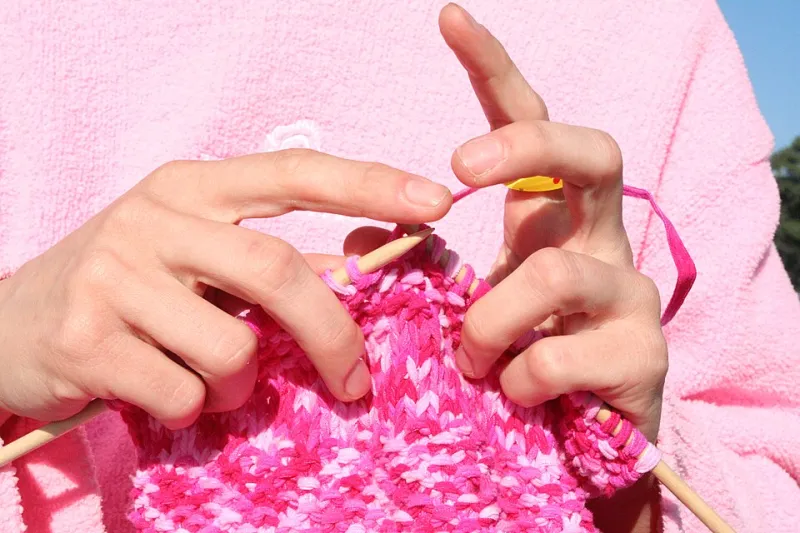
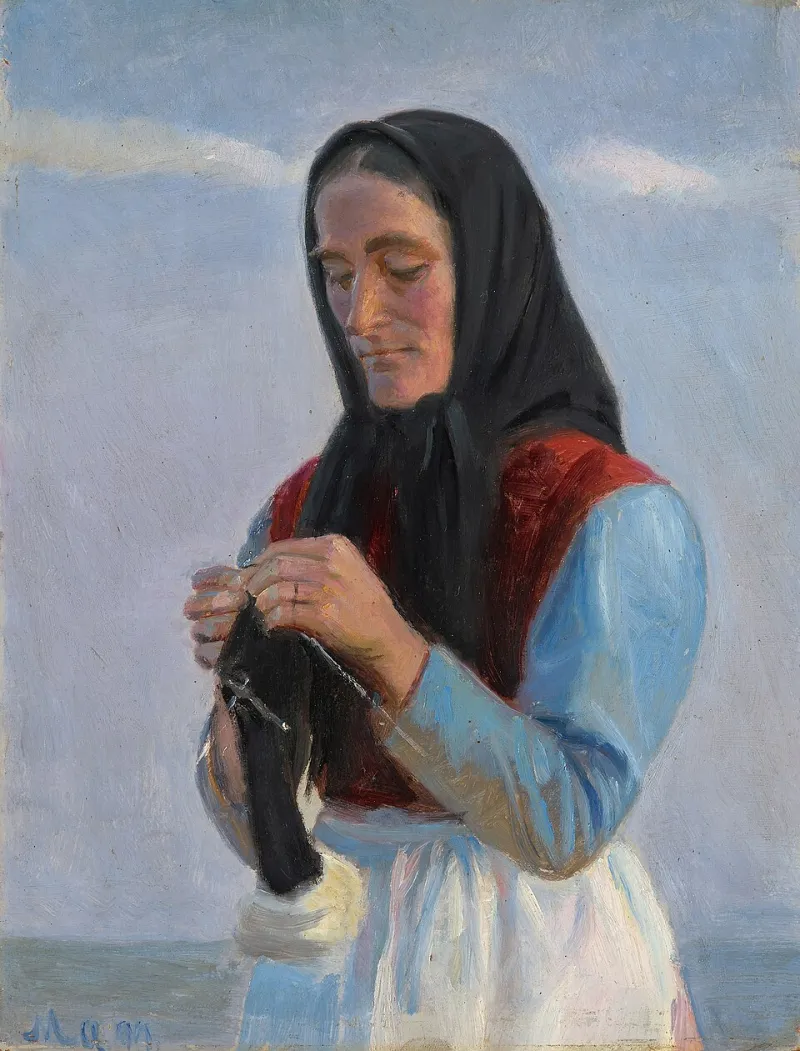
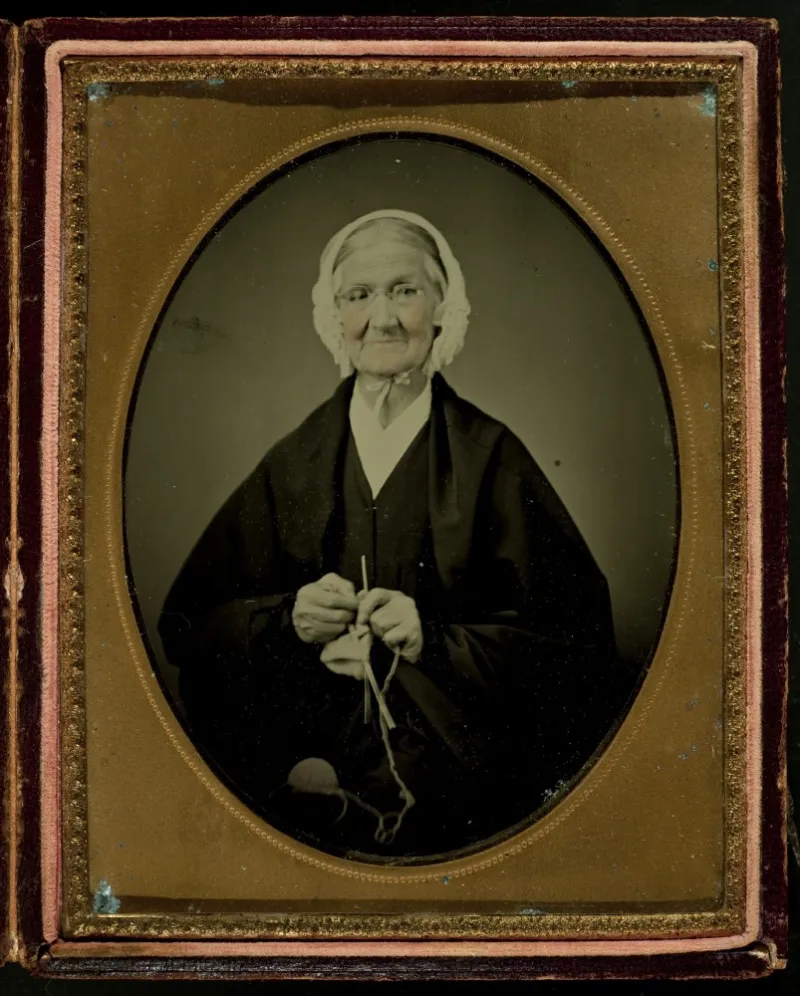
Across the country, knitters, crocheters, and makers of all kinds are channeling their craft toward something larger than their own living rooms. They're knitting hats for preterm infants, crocheting blankets for domestic violence shelters, stitching protest banners, and sourcing yarn from cooperatives that pay fair wages to artisans in underserved communities. The handmade world, it turns out, has always had a social conscience — and right now, that conscience is getting louder.
The Meditative Power of Making With Purpose
Anyone who crafts regularly already knows the mental health benefits of the repetitive, rhythmic work of knitting or crochet. It quiets the noise. It gives anxious hands something to do. It creates a gentle, almost meditative focus that's genuinely hard to replicate with anything else.
But crafters who make for donation or advocacy describe something beyond that baseline calm — a sense of meaning that sharpens the whole experience. When you know the beanie you're working on is headed to a NICU unit, or that the blanket taking shape on your hook will keep a shelter resident warm this winter, the act of making feels different. More grounded. More connected.
Psychologists who study prosocial behavior have long noted that giving — especially giving that involves personal effort — activates a sense of purpose that passive giving (like clicking a donate button) doesn't always reach. When a crafter spends hours on something and then releases it into the world for someone else's benefit, that combination of effort and generosity creates a particularly deep form of fulfillment.
Where to Start: Finding Your Cause
One of the most common reasons crafters don't dive into charitable making is that they don't know where to begin. The options can feel overwhelming, and it's easy to assume that what you make won't be "good enough" or won't be needed.
Here's the truth: almost every community has a need for handmade items, and most organizations are genuinely grateful for whatever arrives.
Hospitals and NICUs frequently accept knitted or crocheted hats for premature babies. Sizing requirements are strict (tiny!), but most hospitals will share specific guidelines if you reach out to their volunteer coordination department.
Domestic violence shelters and homeless shelters often welcome blankets, scarves, hats, and mittens — especially heading into fall and winter. Many shelters also accept handmade items for children staying with parents in transitional housing.
Veterans' organizations like Warm Winters for Warriors and similar nonprofits coordinate donations of handmade items specifically for veterans and active-duty service members.
Animal rescues and shelters are an often-overlooked option. Crocheted blankets and small knitted beds can make a real difference in the comfort of animals waiting for adoption.
If you'd rather work through an organized group, Ravelry hosts thousands of community groups dedicated to charitable crafting, many organized by cause, location, or craft type. A quick search will connect you with people already doing this work who can point you toward patterns, guidelines, and drop-off logistics.
Crafting as Advocacy: Beyond Donation
Charitable making is one form of craft activism, but it's not the only one. Some crafters are using their skills as a form of direct advocacy — making items that carry messages, spark conversation, or represent solidarity with causes they believe in.
The tradition of protest craft is long and genuinely American. Quilts have carried coded messages. Suffragettes wore handmade sashes. The AIDS Memorial Quilt remains one of the most powerful acts of collective grief and advocacy in modern history. More recently, the 2017 Women's March saw an estimated 1.1 million pink knitted hats worn by participants across the country — a project organized almost entirely through grassroots social media, with patterns shared freely online.
Craft as advocacy doesn't have to be that large-scale to matter. A handmade banner at a local event, a crocheted item auctioned to raise funds for a cause, or a community stitch-in where crafters gather publicly around a shared value — all of these are acts of making that extend beyond the personal.
Buying With Intention: How Your Yarn Choices Matter
Activism through craft isn't just about what you make — it's also about what you buy. The yarn industry, like most industries, has a supply chain, and who benefits from your purchases is worth thinking about.
A growing number of yarn companies and indie dyers in the US are prioritizing ethical production, fair wages, and support for artisan communities — including cooperatives run by women, Indigenous craftspeople, and makers in underserved regions. Seeking out these producers doesn't mean you have to spend more (though sometimes it does). It means your dollars are doing a little more work than just landing in a corporate warehouse.
When you're shopping for your next project, it's worth spending a few minutes looking at a brand's sourcing and values. Many smaller yarn companies are refreshingly transparent about where their fibers come from and who dyes them. That transparency is worth supporting.
Building Community Around Shared Purpose
One of the quieter gifts of charitable crafting is what it does for the maker's own sense of connection. Joining a knit-along for a cause, participating in a local stitch-and-donate event, or even just sharing your charitable projects online tends to draw you into a community of people who care about similar things.
That community is its own reward. Crafting can sometimes be a solitary hobby, and while there's beauty in that, there's also something deeply satisfying about working alongside others toward a shared goal — even when you're physically in different cities, stitching away on your own couches.
If you've been looking for a reason to start a new project, consider this one: someone, somewhere, could use something you know how to make. That's a pretty good place to begin.