Grandma's Needles, Your Next Project: The Rise of Heirloom Craft Tools and Why They're Worth More Than You Think
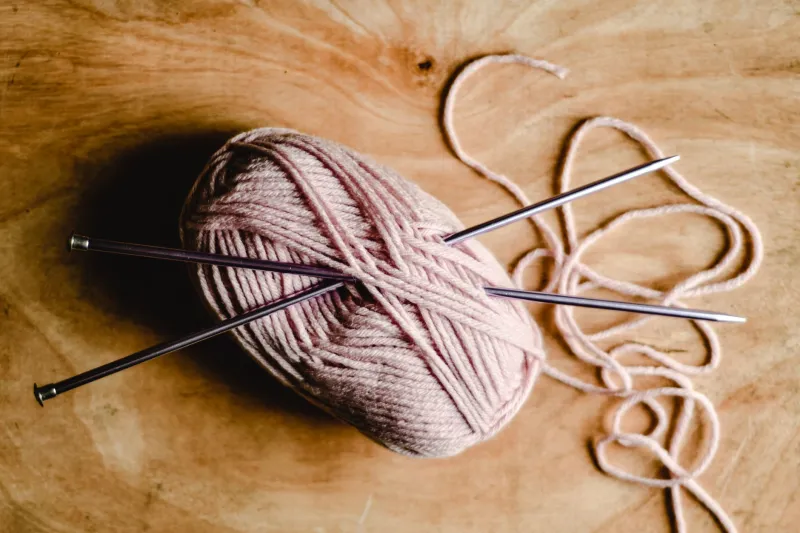
There's a particular feeling that comes with opening a tin of your grandmother's sewing notions or unwrapping a set of bone knitting needles tucked inside a vintage case. It's not quite nostalgia — it's something deeper. Something that makes you want to sit down, pick them up, and actually use them.
Across the US, crafters are doing exactly that. Inherited yarn stashes, passed-down looms, and well-worn crochet hooks are making their way out of attics and into active creative lives. And honestly? It makes a lot of sense. These items aren't just relics. They're functional, often beautifully made, and loaded with a kind of meaning that no amount of online shopping can replicate.
Why Vintage Craft Tools Are Having a Moment
The resurgence of interest in inherited craft supplies is tied to a few things happening at once. Younger crafters — many of whom picked up knitting or crocheting during the pandemic — are now deepening their practice and looking for ways to make it feel more personal. At the same time, a broader cultural shift toward sustainability and slow living has people reconsidering the value of things that were built to last.
Vintage tools fit both of those impulses perfectly. A set of aluminum knitting needles from the 1960s doesn't need to be replaced. A wooden loom passed down from a great-aunt was likely constructed with care and quality materials that modern mass-produced versions sometimes can't match. And using something that belonged to a family member? That adds a layer of meaning to every stitch that's genuinely hard to put into words.
There's also something quietly rebellious about it. In a world that's constantly pushing you toward the newest, shiniest version of everything, choosing to work with a tool that's fifty years old feels like a small act of intention.
What You Might Actually Have on Your Hands
Before you assume those inherited needles are just old, it's worth taking a closer look. Many vintage craft tools were made from materials that are now considered premium — or even rare.
Bone and ivory needles were common through the mid-20th century and are prized today for their smooth surface and slight warmth, which makes yarn glide easily. Tortoiseshell needles (actually made from the shells of hawksbill turtles, now protected) occasionally turn up in older collections and are considered collector's items. Steel crochet hooks from the early 1900s are often finer and more precise than many contemporary versions. Rosewood and ebony needles — especially those made in the US or Europe before manufacturing moved overseas — have a weight and finish that serious knitters genuinely prefer.
If you've inherited a loom, look for maker's marks or stamps on the frame. American loom manufacturers like Leclerc, Norwood, and Harrisville Designs have been around for decades, and older models from these companies are still functional and valuable.
How to Authenticate and Assess What You've Got
You don't need to be an antiques expert to get a sense of what you're working with. Start by examining the material — vintage bone needles have a slight yellowish warmth and may show natural grain patterns. Real tortoiseshell has an irregular, mottled pattern that looks nothing like the uniform plastic imitations. Steel hooks from before the 1970s often have a different weight and finish than modern versions.
For yarn, check the fiber content if there's any labeling left. Older skeins are often pure wool, mohair, or cotton — before synthetic blends became the norm. Natural fiber yarns that have been stored properly (cool, dry, away from light and pests) can still be perfectly usable. Do a gentle tug test on a length of yarn to check for brittleness, and inspect for moth damage or mildew before you commit to using it in a project.
Online communities like Ravelry, Reddit's r/knitting and r/crochet, and various Facebook groups dedicated to vintage fiber arts are genuinely helpful for identification. Post clear photos, and you'll likely get responses from people who know their stuff.
Caring for Inherited Tools So They Last Another Generation
Once you know what you have, a little care goes a long way.
For wooden and bone needles: Wipe them down with a very lightly oiled cloth (food-grade mineral oil works well) to restore moisture and prevent cracking. Avoid soaking or exposing them to extreme temperature changes.
For metal needles and hooks: A gentle polish with a soft cloth can remove tarnish. If there's significant corrosion, a tiny amount of metal polish — used sparingly and wiped clean — can help. Check the tips for any roughness that might snag yarn; a nail file or fine-grit sandpaper can smooth minor burrs.
For looms: Check joints and moving parts for stability. Wood that's dried out can often be revived with a light conditioning oil. If anything is structurally compromised, a local woodworker can often make simple repairs.
For inherited yarn: Store it in breathable cotton bags with cedar blocks to deter moths. Avoid plastic bags, which can trap moisture. If you're unsure about cleanliness, a gentle hand wash in cool water with a wool-safe soap, followed by careful flat drying, can refresh natural fiber yarns.
Making It Part of Your Creative Practice
Using heirloom tools doesn't mean you have to knit the same patterns your grandmother did. In fact, part of what makes this trend so compelling is the way crafters are blending old and new — working a contemporary colorwork sweater on vintage needles, or weaving a modern abstract wall hanging on a loom that's been in the family for forty years.
If you know something about the person who owned the tools before you — their favorite stitches, the projects they were known for, the colors they loved — you can weave that knowledge into your own work in really intentional ways. Even something as simple as starting a new project with a skein from their stash, or using their needle case, creates a kind of continuity that feels genuinely meaningful.
And if you don't know much about that person's craft life? That's okay too. The act of picking up their tools and making something new is its own kind of tribute.
Passing It Forward
One of the most beautiful things about heirloom craft tools is the way they move through time. The needles you inherit today could be the ones you pass on decades from now — maybe with a story attached, maybe with a finished project that shows what you made with them.
Documenting what you know is worth doing. Write down where the tools came from, who owned them, and anything you learned about their history. Tuck a note into the needle case. Take a photo of the loom in use. These small acts of preservation are how craft knowledge — and the love that goes with it — survives.
Your family's crafting past isn't just a footnote. It might just be the most inspiring part of your creative future.