Your Stash Is a Goldmine: A Guilt-Free Guide to Sorting, Letting Go, and Falling Back in Love With Your Craft Supplies
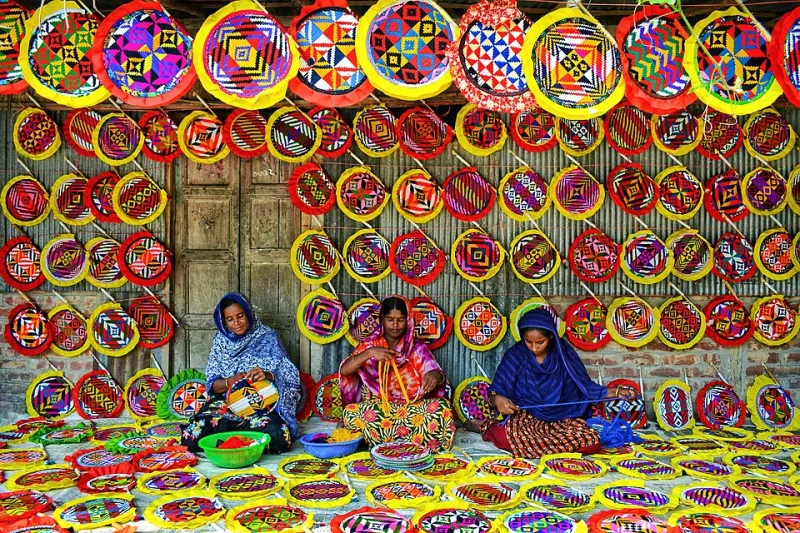
Photo: Shafiul Islam Shaikot, CC BY-SA 4.0, via Wikimedia Commons
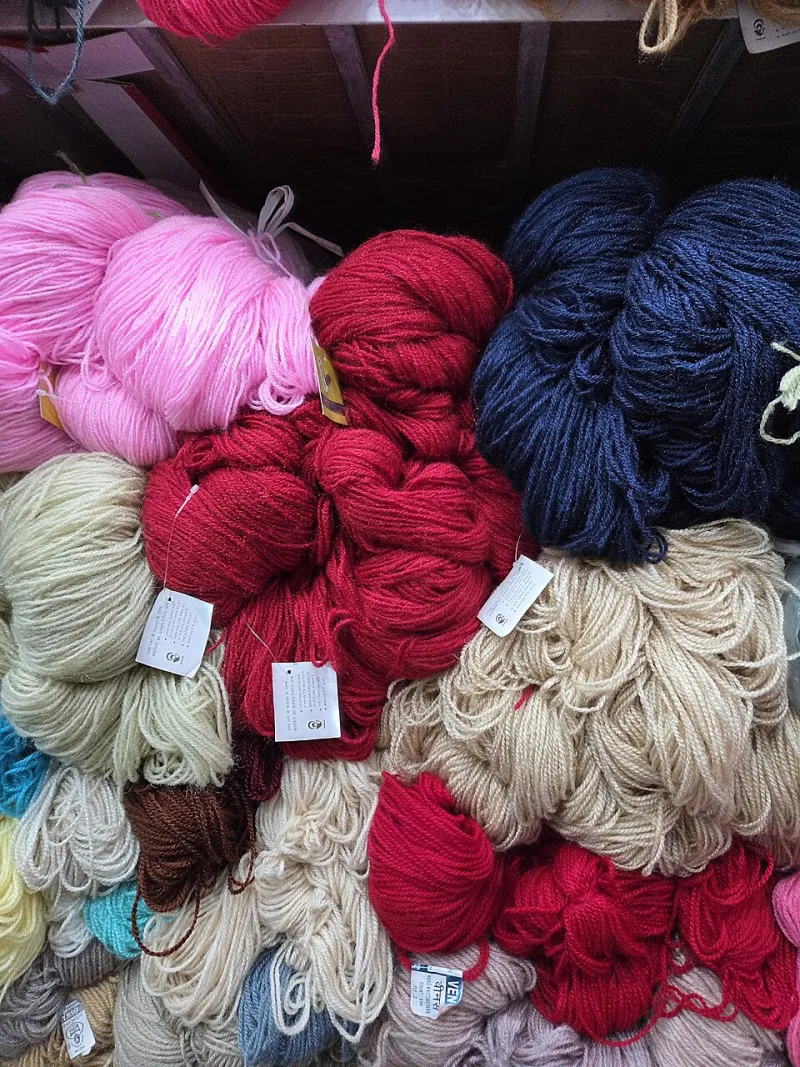
Let's be real for a second. Somewhere in your home — maybe a closet, maybe a spare bedroom, maybe an alarming number of tote bags — there's a pile of yarn, fabric scraps, half-finished projects, and craft supplies you bought with the best intentions. You know the ones. The chunky wool you grabbed at a sale because it was gorgeous, even though you had no project in mind. The embroidery floss collection that made sense at the time. The seventeen skeins of the same neutral beige you kept buying because you forgot you already had it.
You're not alone, and you're not a failure. You're a crafter. This is just what happens.
The good news? That stash isn't a source of guilt — it's actually a goldmine. You just need a system to see it clearly. Let's dig in.
Start With a Full Unload (Yes, All of It)
Before you can organize anything, you need to see everything. Pull it all out. Every bin, every basket, every mystery bag shoved under the craft table. Lay it out on the floor, a bed, or a big table where you can actually look at it without things stacking on top of each other.
This step feels chaotic, and that's fine. The goal right now isn't organization — it's visibility. A lot of crafters discover they've been buying duplicates simply because they couldn't see what they had. Once it's all in front of you, patterns start to emerge pretty fast.
While you're unloading, keep a notepad nearby. Jot down anything that surprises you — things you forgot you had, things you're genuinely excited to see again, and things that make you go, "Why did I buy that?"
Sort by Usability, Not Sentiment
Here's where a lot of people get stuck. You pick up a skein of yarn and immediately remember buying it at that little shop on vacation, or how excited you were when it arrived in the mail. That memory is real and valid. But it doesn't automatically mean the yarn belongs in your active stash.
Try sorting everything into three honest categories:
Keep and Use Soon — Supplies you genuinely like, that are in good condition, and that you can picture yourself using within the next few months. These go back into storage with priority placement.
Keep but Relocate — Materials you want to hold onto but aren't actively reaching for. Maybe it's a specialty fiber for a future project, or a color that doesn't fit your current vibe but you know you'll want eventually. These go in a clearly labeled secondary bin — not the front of the closet.
Let It Go — Supplies that are damaged, that you've never liked, or that you've been keeping out of guilt rather than genuine intention. This pile deserves honesty, not apology.
For that last category, remember: unused craft supplies sitting in a bin serve no one. Donated to a local school, a community center, a church craft group, or a Buy Nothing group in your neighborhood, those same supplies could spark someone else's creativity. That's a much better story than another year of guilt every time you open the closet.
The Emotional Part Nobody Talks About
Letting go of craft supplies you spent real money on is genuinely hard. There's often a layer of self-criticism tied up in it — the idea that you should have used it by now, or that buying it in the first place was irresponsible. Neither of those things is particularly fair to yourself.
Craft supplies aren't just products. They represent ideas, moods, and versions of yourself that were excited about something. Sometimes that excitement doesn't translate into a finished project, and that's okay. Buying a skein of beautiful yarn and then deciding it's not for you isn't a mistake — it's just part of figuring out what you actually love to make.
Give yourself permission to let go of the purchase without beating yourself up about it. The money is already spent. The question now is just what to do with the physical object in front of you.
Store It Like You Mean It
Once you've done the sorting, the way you store what's left matters more than most people realize. Disorganized storage creates anxiety. Thoughtful storage creates inspiration.
A few principles that work really well for yarn and craft supplies:
Make it visible. Clear bins, open shelves, and glass jars let you see your materials at a glance. When you can see your yarn, you think about it. When it's buried in opaque boxes, it disappears from your creative brain entirely.
Organize by project or color, not just by type. Instead of "all the yarn in one bin," try grouping by color family or by planned project. It makes it easier to grab what you need and also makes the storage itself feel more intentional and inspiring.
Label everything. Even a simple sticky note with fiber content, yardage, and where you got it makes a huge difference when you're planning a project six months from now.
Create a "use me first" section. Designate a small area — a basket, a shelf, a single bin — for supplies you've committed to using up before buying anything new. Having this visual cue keeps you honest and creative at the same time.
Rediscover the Good Stuff
Here's the part that makes the whole audit worth it: once you can actually see your stash clearly, you'll almost certainly find things that genuinely excite you. Yarn you forgot about. A colorway that suddenly looks perfect for a project you've been thinking about. Notions that solve a problem you've been meaning to address.
Spend some time after your audit just browsing what you have with fresh eyes. Flip through a few free patterns (Red Heart has a whole library worth exploring) and see if anything in your newly organized stash jumps out as a match. You might be surprised how much you already have to work with.
The goal of a stash audit isn't minimalism for its own sake. It's clarity. When you know what you have, you can actually use it — and that's when the real creating starts.